Trimora GLP Face & Neck Cream Review 2026: Does It Really Firm Skin After Weight Loss?
Updated: September 2026 · By Charly P.
About Trimora GLP Face & Neck Cream
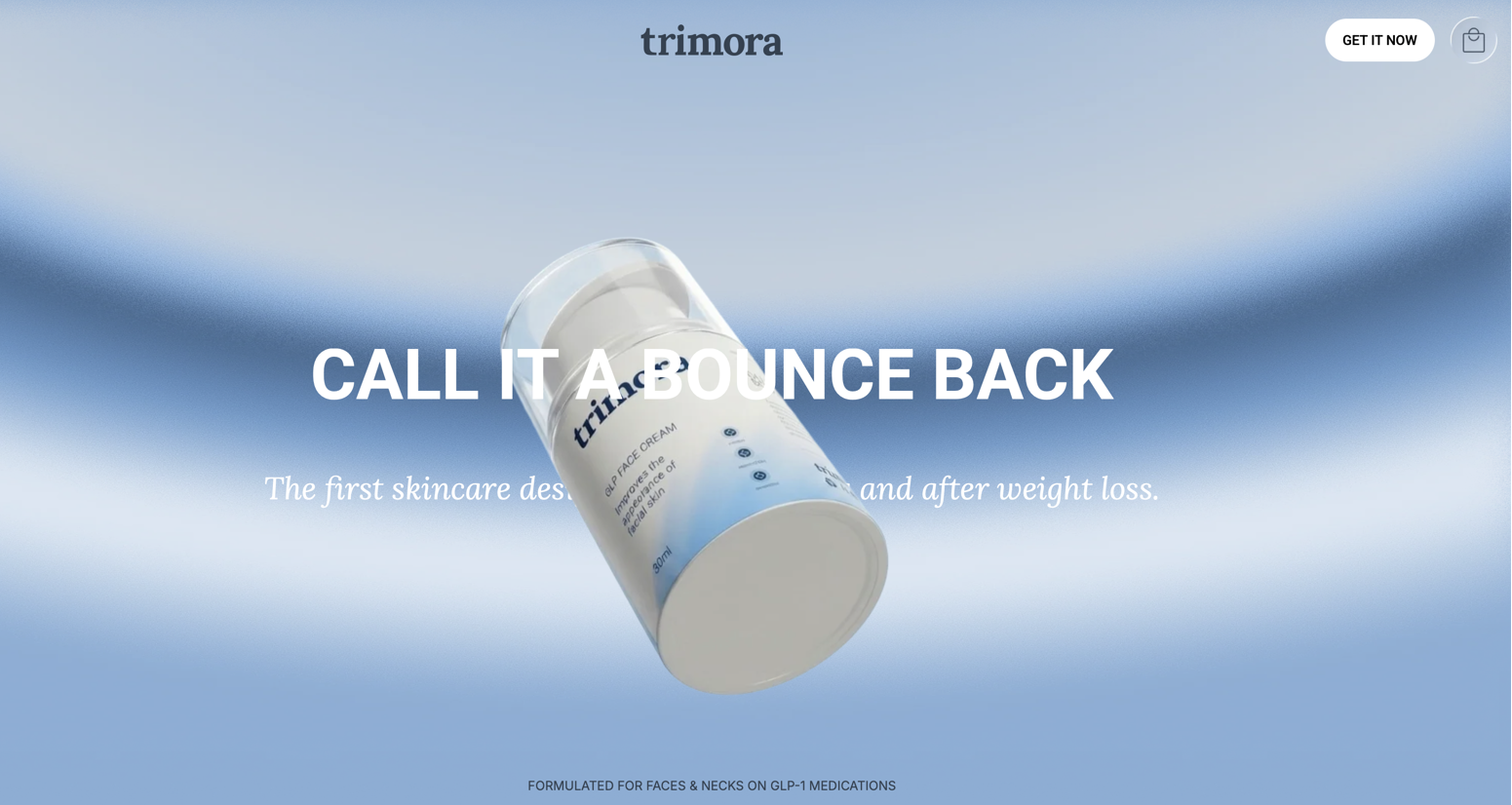
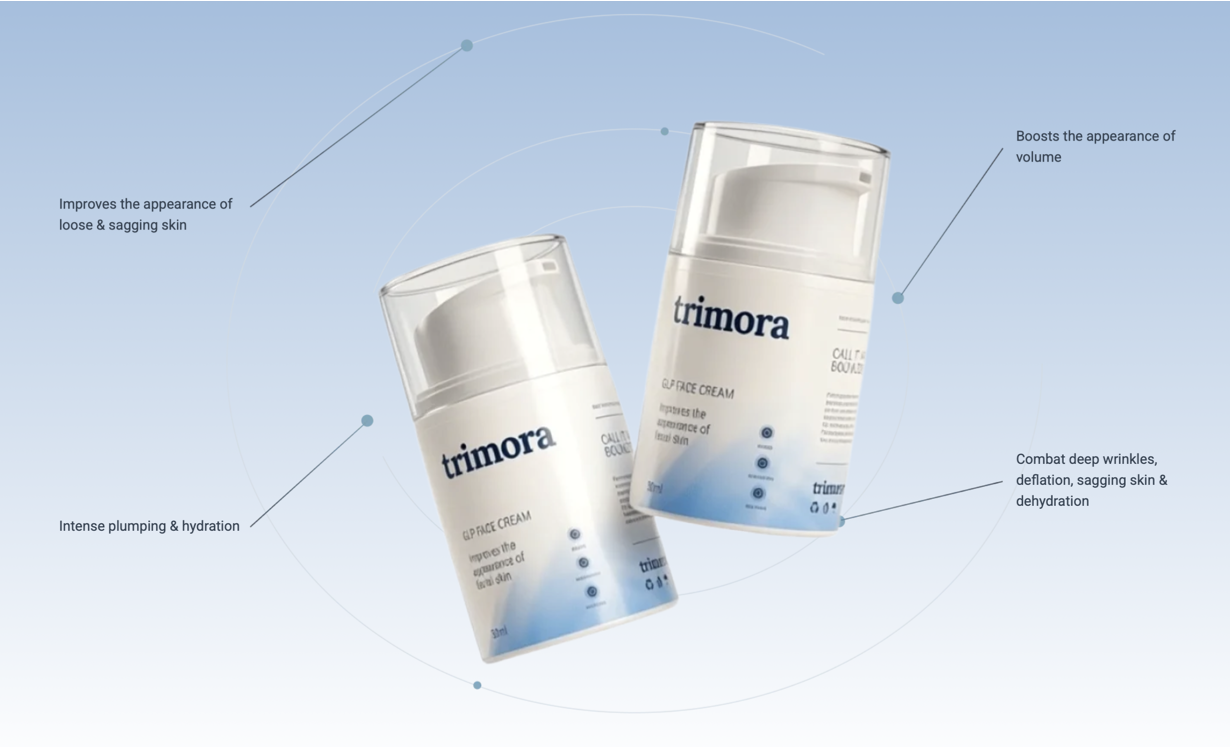
Trimora Health markets its GLP Face & Neck Tightening Cream as, in the brand's own words, “the first skincare designed to firm during and after weight loss” — a topical cream built specifically for the face and neck of people using GLP-1 medications such as semaglutide (Ozempic, Wegovy) and tirzepatide (Mounjaro, Zepbound). The pitch is deliberately narrow: rather than positioning itself as a general anti-aging serum, Trimora targets one specific problem — the loose, deflated look that can appear on the face and neck once someone has lost a meaningful amount of body fat in a short period of time.
The formula is built around what Trimora calls the Trimora Complex™, and the brand publishes eight-week clinical study results behind it: a reported +47% improvement in skin elasticity, +49% reduction in the appearance of vertical wrinkles, and +53% improvement in smoothness. It's positioned as a moisturizer replacement — apply it where you'd normally put a face cream, twice a day — rather than an extra step layered onto an existing routine, and it's marketed for both men and women.
At a Glance
| Brand | Trimora Health |
|---|---|
| Product | GLP Face & Neck Tightening Cream |
| Formulated for | Faces and necks of people on GLP-1 medications |
| 8-week clinical claim | +47% elasticity, +49% fewer vertical wrinkles, +53% smoothness |
| Size | 50 mL / 1.7 fl oz |
| Made in | USA |
| Starting price | $79/bottle (1-month subscription) |
| Trial offer | 7-day free trial, pay shipping only |
Pros and Cons
Pros
- ✓Formulated specifically for the face and neck changes tied to rapid GLP-1 weight loss, not a generic anti-aging cream
- ✓Publishes real before/after clinical percentages (+47% elasticity, +49% vertical wrinkles, +53% smoothness) instead of vague marketing language
- ✓Doubles as a moisturizer, so it replaces a step in your routine instead of adding one
- ✓Low-risk way to test it: a 7-day trial for the cost of shipping
- ✓Marketed for both men and women
- ✓4.9/5 average across 1,200+ verified customer reviews per the brand
Cons
- ✗Trimora does not publish a full ingredient (INCI) list on the pages we reviewed — check the official product page before ordering if you have known sensitivities
- ✗It is a cosmetic product, not an FDA-approved treatment for skin laxity, and results are inherently individual
- ✗The "Subscription" pricing tiers suggest the discounted rate rolls into recurring billing — confirm the exact terms at checkout before entering payment details
- ✗At $79–$179 per bottle, it is a real ongoing cost for a twice-daily routine
How It Works
- 1.Apply 1–2 Pumps Onto Face and Neck
Dispense directly onto fingertips and distribute across cheeks, jawline, and neck — the areas that need it most.
- 2.Wait 15 Seconds and Massage Gently
Let the formula settle, then massage in soft upward motions. Those 15 seconds are when the active ingredients start working, per the brand.
- 3.Repeat Morning and Night
Use it in place of your regular moisturizer, twice daily — morning preps skin for the day, night lets it work while you sleep.
Pricing
| 1-Month Supply | $99/bottle |
|---|---|
| 1-Month Subscription | $79/bottle |
| 3-Month Supply | $179/bottle, free shipping |
| 3-Month Subscription | $149/bottle, free shipping |
| Trial | 7 days free, pay shipping only |
Trimora's cheapest way in is the 7-day trial, which only charges shipping — a reasonable way to see how your skin responds before committing to a full bottle. Beyond the trial, subscribing brings the per-bottle price down in both the 1-month ($79 vs. $99) and 3-month ($149 vs. $179) tiers, which is standard for this category of direct-to-consumer skincare. If you'd rather compare prescription-strength alternatives instead of an over-the-counter cosmetic cream, our Strut Health review covers a telehealth-dispensed option starting at $24.99 per treatment. And since Trimora's own FAQ references ordering and support through TrimRx, readers who are already GLP-1 patients on that platform should see our TrimRx review for how that provider's pricing and checkout work.
Who It's For
Trimora is built for a specific reader: someone who has lost, or is actively losing, a significant amount of weight on a GLP-1 medication and has noticed their face and neck skin isn't keeping pace. That's a large and growing group of patients — if you're earlier in your GLP-1 journey and still comparing medications and providers, our weight-loss provider guide rounds up platforms and pricing before you get to the skincare stage. Because Trimora is a topical, twice-daily moisturizer replacement rather than a device or a prescription, it also suits people who want the lowest-effort possible addition to an existing routine — you're swapping a step, not adding one.
What Customers Are Saying
Trimora reports a 4.9 out of 5 average across more than 1,200 verified reviews. A few representative accounts from the brand's published testimonials:
“Mounjaro worked great, lost 30 lbs, but my face looked terrible after. Cheeks were sunken in and my neck got all crepey. I always looked tired even when I wasn’t. Been using GLP cream for like 6 weeks now and my neck actually feels firmer when I touch it.”
— Angie R., Austin, TX
“Lost 35 lbs on a GLP-1 and noticed my face looked a little thinner and looser than I wanted. About 5 weeks in my jawline looks more defined. Happy with it so far.”
— Kristi B., Charlotte, NC
“40 lbs down on Wegovy and my body looks amazing but my neck looked like I aged 10 years. I have really sensitive skin so I was nervous to try anything. This one didn’t burn at all. After a month the loose skin on my jaw and neck is actually tighter.”
— Priya S., Austin, TX
The Science: What Is 'Ozempic Face'?
“Ozempic face” isn't marketing shorthand invented by skincare brands — it has become a recognized clinical description. A 2025 systematic review indexed in the National Library of Medicine's PMC database on GLP-1 receptor agonist-mediated weight loss found that rapid fat loss from these medications can produce morphological changes resembling advanced facial aging — volume depletion and cutaneous laxity — largely because systemic fat reduction happens faster than skin can recoil. That same body of research points to a late-2025 survey in which a majority of facial plastic surgeons reported a sharp year-over-year increase in patients seeking treatment for these GLP-1-related aesthetic changes.
None of that is specific to Trimora — it's the backdrop that GLP Face & Neck Cream, and competitors like MyoGlow, are built against. Semaglutide and tirzepatide themselves carry their own FDA prescribing information and safety profile, which is worth reviewing directly if you're on or considering one of these medications, separately from any skincare product marketed alongside them.
Trimora Alternatives
The closest direct comparison is MyoGlow, a $79 handheld LED, thermal, sonic, and electroporation device that markets itself the same way — as a fix for the skin laxity that shows up after GLP-1-driven weight loss — though MyoGlow's marketing centers on arms rather than the face and neck. A topical cream and a device are addressing the same underlying problem, deflated, sagging skin, through different mechanisms, and some readers layer both rather than choosing one over the other.
For prescription-strength skincare aimed at conditions like acne and melasma rather than post-weight-loss firming specifically, see our Strut Health review. For the broader category, visit the skincare treatment guide at ExploreTreatments.com.
Recommended Providers
Our editorial team’s top picks for this category.

Frequently Asked Questions
Recommended Providers
Our editorial team’s top picks for this category.
Editorial Verdict
Our Take
Trimora GLP Face & Neck Cream is a well-targeted product for a specific, increasingly well-documented problem: the facial and neck skin laxity that can follow rapid GLP-1-driven weight loss. The brand backs its claims with real percentage figures rather than vague promises, the 7-day trial is a genuinely low-risk way to test it, and swapping it in for your existing moisturizer keeps the routine simple. The tradeoffs are the ones that come with most direct-to-consumer subscription skincare: no published ingredient list on the pages we reviewed, subscription pricing that deserves a careful read at checkout, and the fact that it's a cosmetic product rather than an FDA-approved treatment. For the audience it's built for — people managing the visible side effects of GLP-1 weight loss — it's worth the 7-day trial to see how your own skin responds.
Looking for more options? See the skincare treatment guide at ExploreTreatments.com.
Advertising & Affiliate Disclosure: We may receive compensation when you click on links to partners featured on this site. Our rankings and recommendations are based on our independent research methodology and editorial standards, not on sponsorship or payment. Some links are affiliate links, which means we may earn a commission at no extra cost to you if you make a purchase.
Medical Disclaimer: The content on this site is for informational purposes only and does not constitute medical advice, diagnosis, or treatment. Always consult with a qualified healthcare provider for medical questions, treatment decisions, or emergency care. Do not disregard professional medical advice or delay seeking it based on information found here.